COTN's International Christian Academy in Malawi
POSTED ON May 21, 2010 / UPDATED ON Jan 27, 2011
Students have fun in class at the new COTN International Christian Academy.
The first class of COTN International Christian Academy students in front of the almost-completed COTN dining hall.
The male students joke with one another in front of the partially-completed dining hall.
Sarai, a Form 1 COTN student, studies an insect during biology last month.
Gracious searches for insects to study.
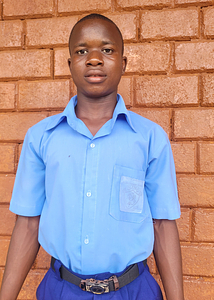
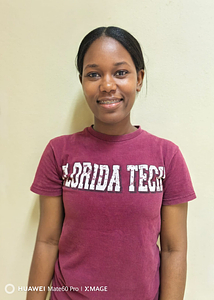
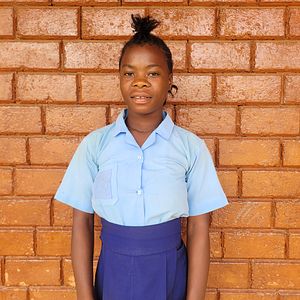
Annie Brown, COTN Education Consultant in Malawi, stands with her students Patience, Martha and Felix.
Though the building for Children of the Nations’ (COTN) secondary school in Malawi is still under construction, that didn’t stop COTN from starting classes this past January. The front room of the boy’s dormitory at COTN’s Njewa Ministry Center is serving as a classroom for the twenty-nine students—some from COTN’s Children’s Homes and others from COTN’s Village Partnership Program. The nearby dining hall building is expected to be complete within the next month, and classes will meet there until the classrooms are completed this summer. “I was just really excited to offer the opportunity to our Form 1 (ninth grade) children, even if it was imperfect at the time,” says Wendy Brown, COTN International Education Director. “I felt like it was better in the whole scheme of things for the children.”
The school—newly named COTN International Christian Academy—has been in the works for a while, with the goal of giving the teenagers a better education than what is currently offered in the area. Annie Brown, a COTN Education Consultant who is serving in Malawi for a year, explains Malawi education: “All kids take an exam at the end of [middle school]. The highest scorers are secured a place in government school and their education is paid for or subsidized. The rest are assigned to private or boarding schools, and they all cost tuition. It is not only more cost effective to have our [COTN] children here, but it also allows us to ensure a quality education.”
Annie says many children fall between the cracks while away at boarding school. “You don’t know they are failing until they have failed,” she says. “Here, we are able to make immediate interventions when kids begin to show signs of struggle. The kids will take a similar exam at the end of secondary school to see if they are accepted to university, so a quality education will help ensure a passing score on the test.”
Annie, who is the school’s temporary headmaster and also teaches various subjects, is working to make sure that the education is not only quality, but fun and creative too. The students have caught and studied insects in biology, rolled items of different weights down a hill in physics, and measured household objects in math. Is there a favorite overall subject? “If you ask them, they will start listing all of the classes,” Annie says. “It’s pretty cute.”
That enthusiasm for learning has spread to nearby villages. Annie says she found a boy studying in the village of Mtsiliza last week and asked what he was working on. “He replied, ‘Aunty, I am studying for the exam so I may pass and come to the school at Njewa.’ So the word is out among the kids, and they are wanting to come here,” Annie says.
Eventually, the goal is to have a secondary school for 500 students, which will include those from COTN’s programs and children from surrounding villages. But the current twenty-nine teens are the focus now, and their educators keep them on a strict routine: 5:30 a.m. devotions, showers and breakfast; 7:30 a.m.–3:30 p.m. school followed by sports, Bible study or village outreach; 6 p.m. dinner, then study hall and lights out at 9 p.m.
The focused schedule has already made for great improvements by the students, even without an official classroom in which to learn. “I am compiling mid-tem results this week and some of these kids were scoring 50% to 60% on average last year [in other schools] and they are earning 80% to 90% now,” Annie says. “Their self-esteem is really boosting and their achievement is rising as a result. It is so exciting to watch them learn, get excited about learning, and get to know the feeling of success.”
The secondary school in Malawi is in need of funding to hire more teachers, obtain better supplies, and to help construct the new school building. DONATE TODAY to help build a Secondary School in Malawi. If you’d like more information or to partner with COTN to help with these education needs, please contact International Education Director, Wendy Brown at wendybrown@cotni.org.